From the dense greens of the fever tree forests which skirt the perennial waters of the Luvuvhu in the North to bushwillow woodlands and thorn thickets of the South, the Kruger National Park is one of the most enchanting natural wilderness areas in the world. A space of frozen time where in a day one can look upon the same scenes as stone age wanderers, the skilled hunter gathering San people who have marked their period of residence on the rocks, the Nguni people who have left behind clay pots and other artefacts to assert their presence, and the colonials who would become the eventual custodians.
There is almost no describing the wonder of entering such a place and a slight irony in my attempt to do just that. It is a land that has marched through history and, unlike so much of our world, remained intact, if not in actuality, then certainly spiritually. It is a place too, that has been at the centre of my life for as long as I can remember. I believe I was 2 years old on my first visit. A place so important to myself and my family that it only made sense for me to spend the first real money I ever made on an epic month-long haul through our greatest National Park.
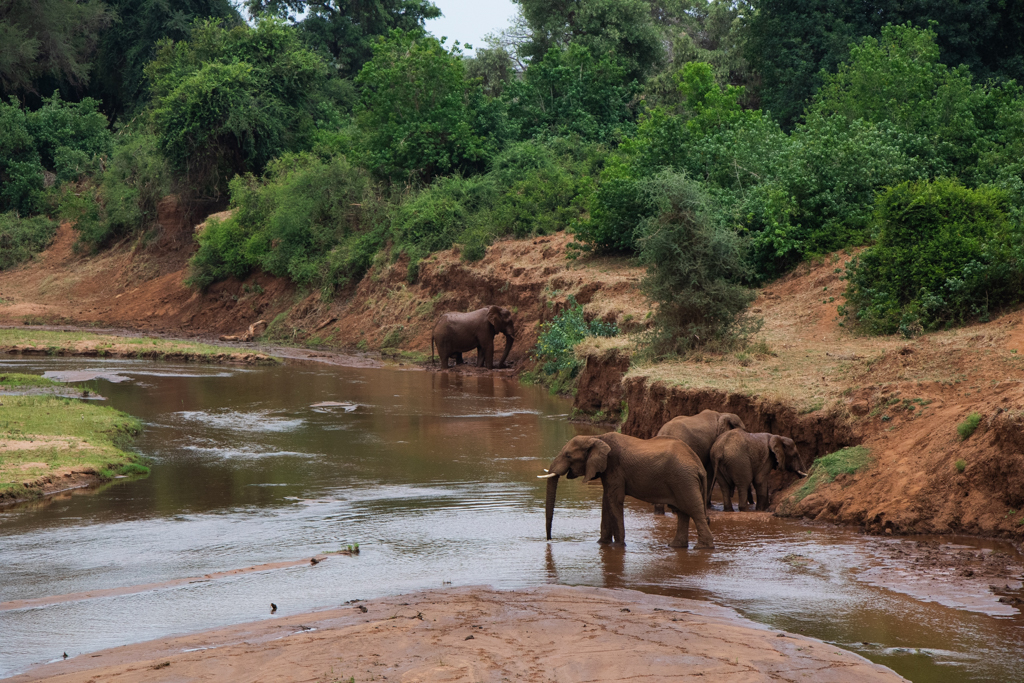
I was 23 years old in the summer of 2018 and having just completed a data analysis project which paid far more handsomely than any of my previous student gigs, I decided to undertake a trip of the entire park with my girlfriend at the time (now my wife). It was the end of November, and I had just finished my honours degree. With no time constraints and the generous use of my old man’s Land Cruiser we set off. As mentioned, the park had been a family haunt my entire life, but the North had never really featured in these travels. And so, it was uncharted territory that we chased setting off from Pretoria. After a night of far too many beers and a dash of dessert wine up in the foothills of the Soutpansberg mountains with a far-removed cousin of mine, we hit Pafuri Gate, the Northernmost entry point into the park.
Upon entry we were immediately hit with the classic buzz of the bushveld, an overwhelming blend of cicada symphonies and birdsong rhythm. A haze of dry summer heat washed over us as we rolled down the windows to allow this world and ours to collide. Windows down and seatbelts off is the first rule of entry to Kruger where I come from. The two of us were giddy with anticipation as we rolled slowly down the track headed to our first stop of Punda Maria camp. We traveled by the main road with a growing sense of awe as we took in this truly remarkable landscape dotted with massive baobabs and a landscape completely different to what we were used to in the South.
Some things struck me straight away, firstly we were completely alone. While I have nothing bad to say about Kruger, the South is far busier. Being much closer to Johannesburg, it is the natural choice for tourists and Gauteng residents alike. This is what we were used to, and the North could not be more different, particularly in November. We drove for hours without seeing any other vehicles and enjoyed viewpoints and rest stops all to ourselves.
The second was the difference in animals and birdlife. Some folks had warned us that the North was sparsely populated with animals and big game sightings would prove difficult. I’ll leave the truth of this up for debate but what is true is that the animal populations are different. Elephants are less common and more confrontational, Tssesebe abound which I had never seen in Kruger before, general game seems more spread out and smaller in herd sizes, and birdlife is off the charts. While we were only beginning to dabble in birding in those days it was a noticeable change, even for us.
Finally, I was confronted by a deep nostalgia factor. In the North people wave as they pass by, albeit rarely as the roads are so quiet, the bridges are open to walking around, and everyone you encounter is ready for a chat about sightings both recent and historical. I have such fond memories of this type of behavior in the park from when I was younger, yet it gradually faded into an uncommon occurrence. With these observances awash in my mind and the sheer beauty of the route ahead we made our way to camp.
Punda Maria is a wonderful camp surrounded by sandveld, rocky outcrops, and mopane woodlands. A biodiversity haven echoing with birdsong and sounds of life. The camp itself offers such peace and seclusion. The best thing about Punda Maria is the 24 hour access to a hide overlooking the water hole where we have spent many wonderful evenings. That first day as we discovered it, we knew we’d struck gold. As if to confirm our suspicions about the sheer magic of the place a leopard came for a fleeting drink as we watched on awestruck. We camped along the fence and looked out through the night, that first evening, as bushbabies skittered through the trees and distant hyenas laughed their haunting call into the night. It was all so different yet comfortably familiar all at once. Tucked away in our rooftop tent as the heat of the day slowly faded we settled in to end the first day of the most wonderful trip.
The next day began early. We were the first at the gate and the sun had yet to peer over the horizon. Heading up to Pafuri picnic sight and the famous Crooks Corner loop, we were completely absorbed in the sheer beauty of the surrounds. As the first rays of sun broke through the darkness we made our way North, armed with a borrowed camera and deep sense of excitement. The morning was exceedingly rewarding as we encountered buffaloes in small herds, the occasional elephant, and a plethora of general game. We stopped on a bridge and watched as hundreds of swifts and swallows deftly swooped all around catching their fill of insects. Arriving at the Pafuri Picnic sight we rustled up a quick breakfast before resuming the drive, entering the otherworldly beauty of the fever tree forest.
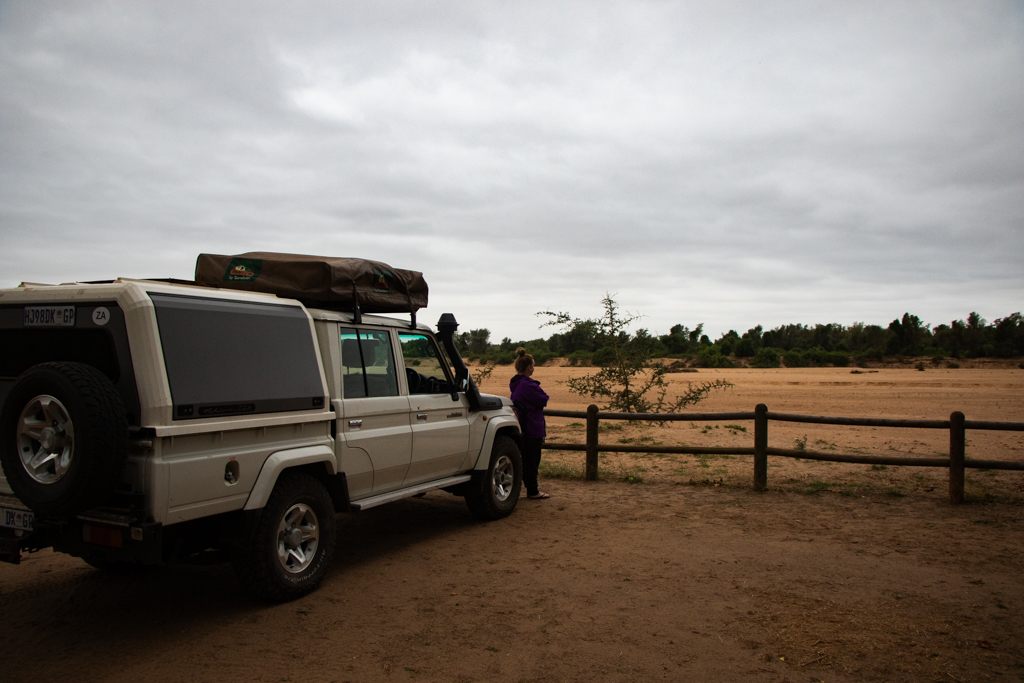
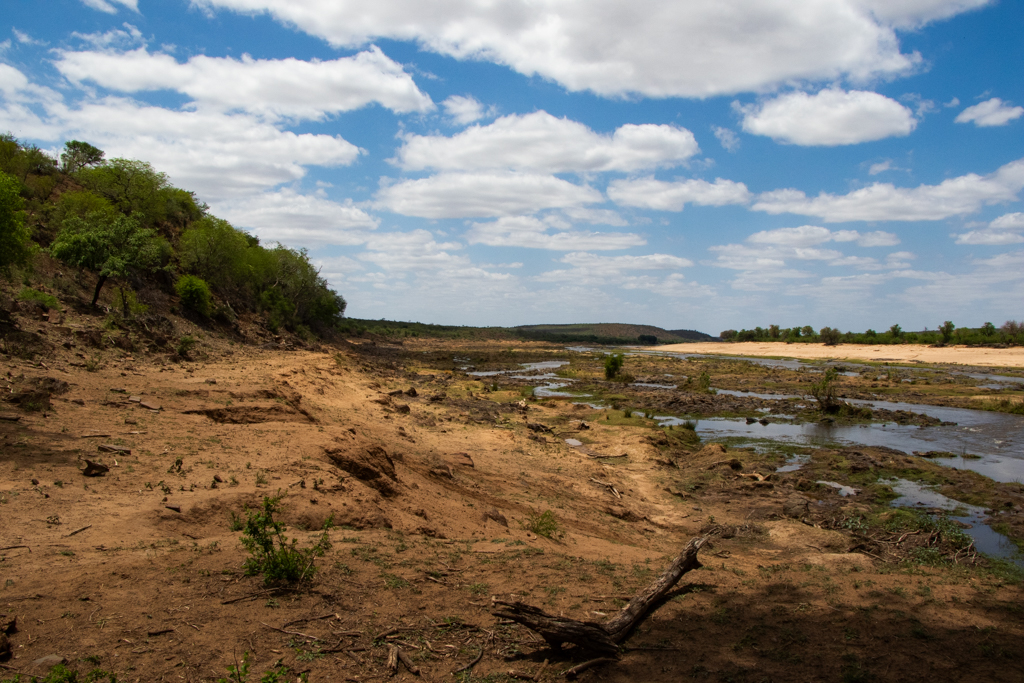
The dirt road that leads to Crooks Corner must rival any in the world for most beautiful. Driving along the banks of the Levuvhu river completely enclosed in the dense green of the Fever Trees is a spectacular experience. We were spellbound the entire way as we watched birds flitting between the trees. It must be noted that the river itself was completely dry, but this did not dampen the magic. Crooks Corner is a lookout point where one can observe the confluence of the Luvuvhu and Limpopo rivers which trisect the nations of South Africa, Zimbabwe, and Mozambique. The meeting point is marked with a beacon. When the rivers are flowing the mighty waters are really something to behold. On our first visit, however, we observed a lot of sand and not much else. To our surprise we did see a young boy of about 14 close to the Zimbabwe side marching along with a string of cattle. One of our rarer sightings, it must be said.
Crooks Corner gets its name from bygone days when poachers and other shady characters would keep to the area as a clever way to evade capture should the authorities ever appear. Whenever they encountered the law, they would simply cross one of the borders and leave the jurisdiction of whichever nation’s force was trying to arrest them with two options available to them. There is even a story of a band of bandits being hounded by the police of all three nations. Their solution was to climb the beacon and look on as the rival police argued over who would capture the crooks, eventually agreeing to disagree and letting them off. It was such a wonderful first encounter with a truly magical place.
After a few more evenings spent in Punda Maria it was time to head South and set up camp in Shingwedzi, our home, for the next few nights. Our journey southwards proved to be exceptionally fruitful in terms of game viewing, our morning began with the soft glow of sunrise revealing two separate leopards. The first, a smallish female lounging on an anthill, appeared before it was light enough to take a photo, although attempts were made. The second was the most magnificent male with serious battle scars on his face and ears that had been chewed down to small nubs, presumably by some rival. Leopards are such graceful creatures, and any encounter is such a deep privilege, two in the space of a few hours borders on ridiculous. Our luck was seemingly limitless that day as we encountered a Roan Antelope too (the only I have ever seen) and an Eland (exceedingly uncommon in the Kruger Park).

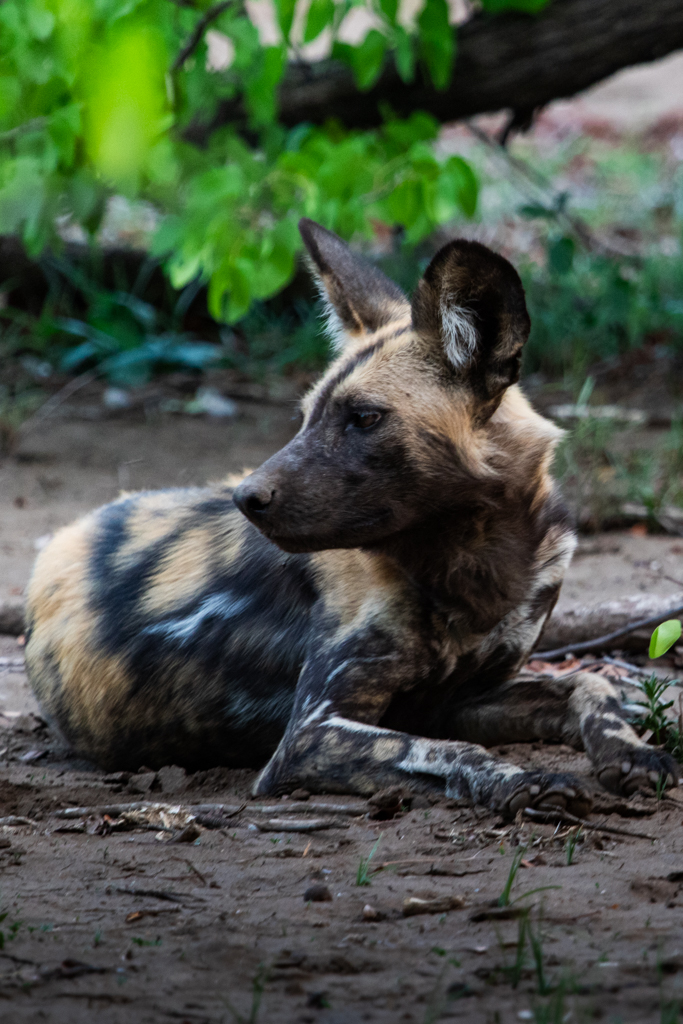
The day’s sightings were not yet at an end though. As we neared Shingwedzi we decided to take a short detour and complete a dirt track loop, the idea being we would find a shady patch to sit and enjoy a coffee and some rusks. Not two kilometers down the track did we run into one of Africa’s rarest sightings, a relaxed pack of wild dogs. Seemingly with a similar plan for the morning in mind they were spread out in the shade of a large tree. We then spent close to two hours in their company with little activity aside from the odd yawn and stretch on their part and the odd sip of coffee and click of the camera from ours. We eventually made it to Shingwedzi and set up camp.
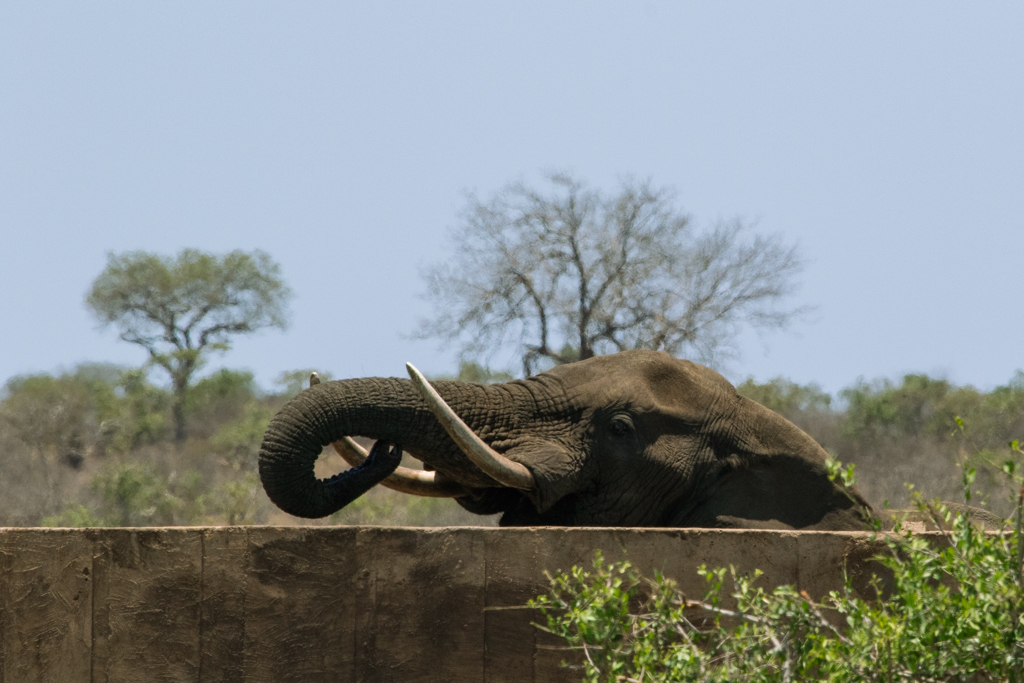
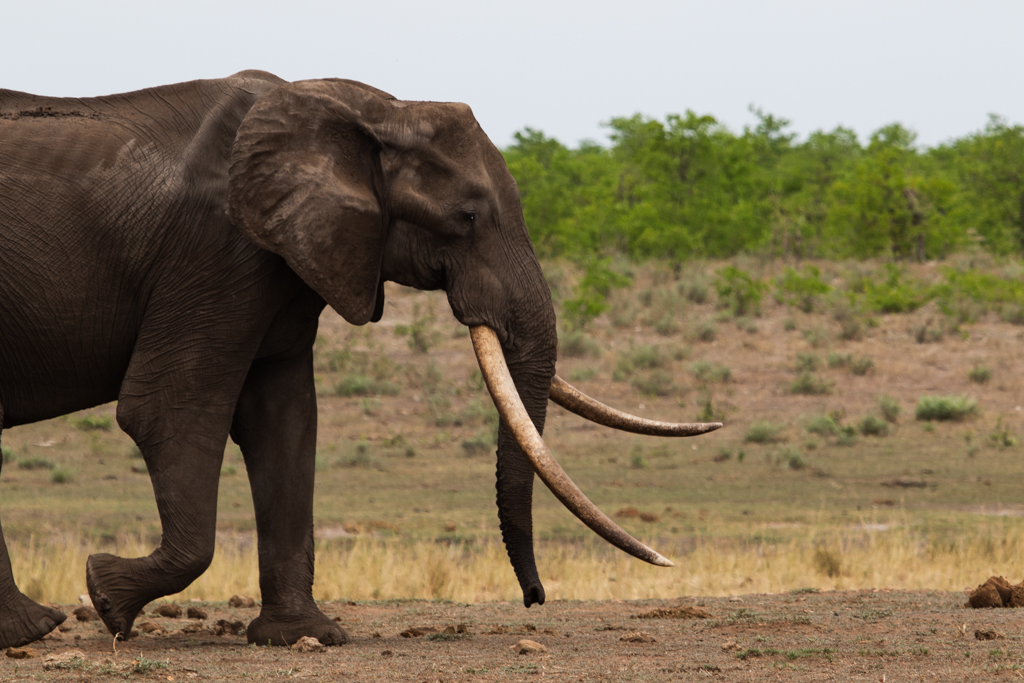
A beautiful camp, Shingwedzi sits high on the banks of the river which gives the place its name. It offers wonderful views and is easily one of our favorite places in the park. Our days spent here were excellent. We saw incredible game including huge herds of Tsessebe on the plains, an immense elephant with the longest tusks I have ever seen, another leopard, one more encounter with the pack of wild dogs, and a brief encounter with an African Wild Cat (at that stage the first I’d ever seen). The area surrounding the camp is extraordinary. Red Rocks viewpoint offers a magnificent view of an almost Martian valley while Kanniedood Hide offers an epic view of the river brimming with life.
Our next stop has become perhaps our favorite in all of Kruger, Tsendze Rustic camp. What a place! With limited camping spots which are far away from each other and the most epic ablutions (featuring showers without roofs), you truly feel immersed in the bush. Our first night there, however, proved that this can be a little scary too. After a satisfying braai, the pair of us were lounging around partaking of some post-dinner beverages and soaking in the feeling of almost total isolation in this forested camp. The light from our lantern was set to dim and cast a circle of light amongst the complete darkness surrounding us. There was a sudden rustling in the bush off to one side and as we looked on with startled terror and enormous Red Roman (Solifuge or Sun Spider) emerged and entered our diminutive circle of light. As is their nature, the light irked the creature into a full-on sprint for the nearest darkness which unfortunately happened to be the shade beneath my camp chair. The two of us jumped up in unison and stood unsteadily atop folding chairs, neither one of us wanting to be the first to return to earth.
Eventually, and after some spirited back and forth, I snatched up a torch and began a reconnaissance of the area within our camp. To my absolute horror I soon discovered that not only was the original Solifuge still beneath my chair but that he was in fact, not alone. At least four of the monsters had us surrounded and to make matters worse, a scorpion had joined the fray and was scuttling about camp. I have a crippling fear of spiders and scorpions and while technically neither, the Red Roman embodies everything that scares me to my core. After procrastinating the moment of action for as long as we could we jumped off the chairs, hit the light and scampered up the ladder to the roof-top tent in the flash of an eye. Out of breath, we peered out of the tent and sat in a quiet moment of deep gratitude that we were not camping on the ground. This ended our first brush with Tsendze Rustic Camp, emphasis on rustic.
If our first night was a rough introduction every other experience with this camp has all but erased that first impression. The camp is run by a genial man called Roger and his wife, Elinah. We had arrived on a Sunday and so the pair had been in town for church. On our second night we got to meet Elinah, and she took us around the camp and showed us some owls. Such a wonderful woman and a great experience. We had been unnerved going into that second night but somehow Elinah’s presence reassured us immensely. She had that effect on the entire camp and for the remainder of the time there we were never again bothered by the frightening creatures of the bushveld floor.
After our time at Tsendze we were in for a serious treat in the form of a night in Sable Hide. After leaving camp we headed for Phalaborwa gate. For once we’d woken up late and had a leisurely morning ahead of what was sure to be a night of minimal sleep. We arrived at the gate with the hope that they could charge a spotlight as we’d been without electricity over the past few days. We could then collect the light when we came to check-in and grab the key to the hide. The staff were happy to oblige and so we spent the day in the area hitting a 4×4 track and scoping out the hide itself. We had a lucky day and came across our first lions of the trip lazing about near Masorini picnic site. As evening approached, we arrived back at the gate to fetch the light and keys. Setting off towards the hide our excitement reached a fever pitch. We were really going to spend a night at a waterhole all by ourselves.
It wasn’t long before we hit a snag. The spotlight had in fact not charged at all. While a fly in the ointment, no doubt, this did little to dampen our spirits, and I quickly found a torch that could be used as a backup. Far less powerful than the spotlight but better than nothing. The light of day was fading fast as we turned off onto the access road that led to the hide. We arrived at a T-junction where one turn would take us to the hide, and the other would complete a loop that went back towards the gate. We could see some vehicles up ahead on the route back to the gate. As they were running seriously short on time to make it out of the park before the gates closed, we reasoned that they must be looking at something special, so we investigated.
The two vehicles were parked alongside a beautiful big male leopard. He was close to the road and dozing contentedly. As we arrived the other vehicles made for the gate hightailing it to try to arrive before it shut. We watched the leopard for a few minutes and then decided to head for the hide. The sun had little horizon left to clear before night would fall in earnest and we did not like the idea of trying to get settled in the falling darkness. So as not to disturb the leopard I went down the road a few hundred meters before turning back for the hide.
We had left a snoozing cat a minute ago but as we came back past, he was up and alert. We watched him for a very brief spell before he stalked off in the exact direction we were headed. As he made his way to the hide, so too did we, albeit at a much faster pace. As we turned the corner, trying to make it to the hide with as much distance between us and the leopard as possible, another hiccup became apparent. The hide had a large herd of elephants passing on one side. Caught between an active leopard and a family of elephants was certainly not ideal and the fast-falling sun compounded the anxiety. The elephants were not quite a hundred meters away to my right and the leopard was less than a kilometer away to my left. Nothing for it, I dashed out of the car and Caity pulled the vehicle inside. If a gate has ever been closed and locked faster in history, it was not by much.
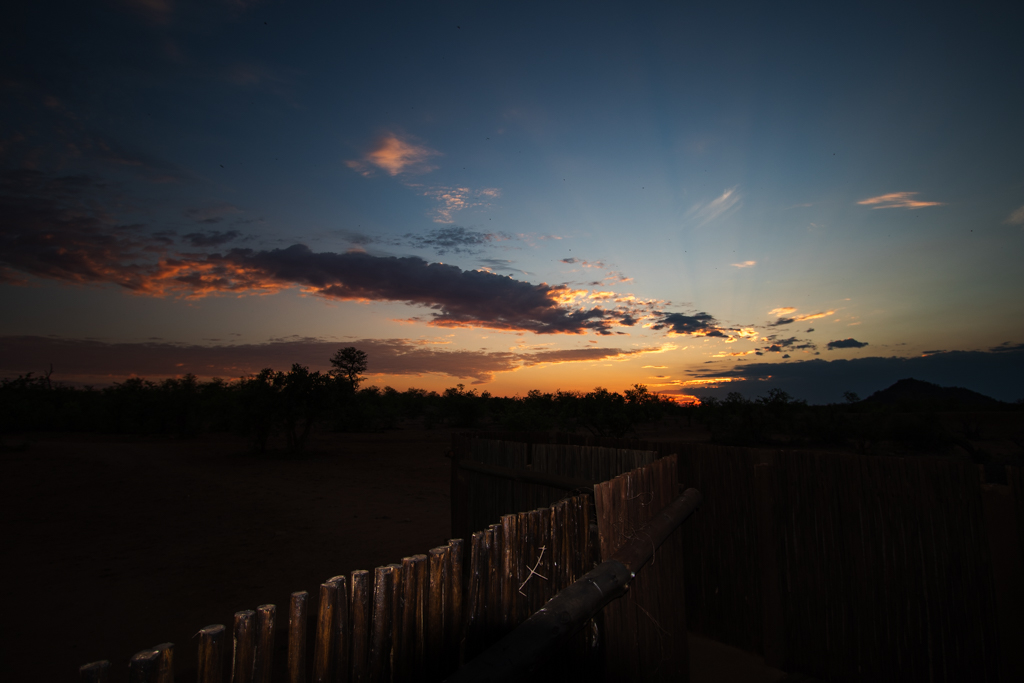
Once inside the ring of the fence we began to relax somewhat as the elephants moved off. The leopard never reappeared but did not leave our minds. We pulled down the beds in the hide and settled in for a night of watching the dam. Right as the light was at its final ebb a lioness crested the bank of the dam to our left and came down for a quick drink. It was amazing as she left so too did the last of the light. The torch came out, and we took up careful watch of the water’s edge. Spring hares and nightjars were plentiful throughout the muggy heat of the night. Elephants drank around midnight and then a quiet settled on the area that persisted until morning. While we slept a little, a combination of the excruciating heat and anticipation kept us alert most of the night. Morning greeted us with a visit by a herd of buffalo and later a solitary rhino. Incredibly we had observed the entire big 5 within a roughly one-kilometer diameter of the hide. A deeply memorable night that left us shattered the next morning as we headed for our next camp.
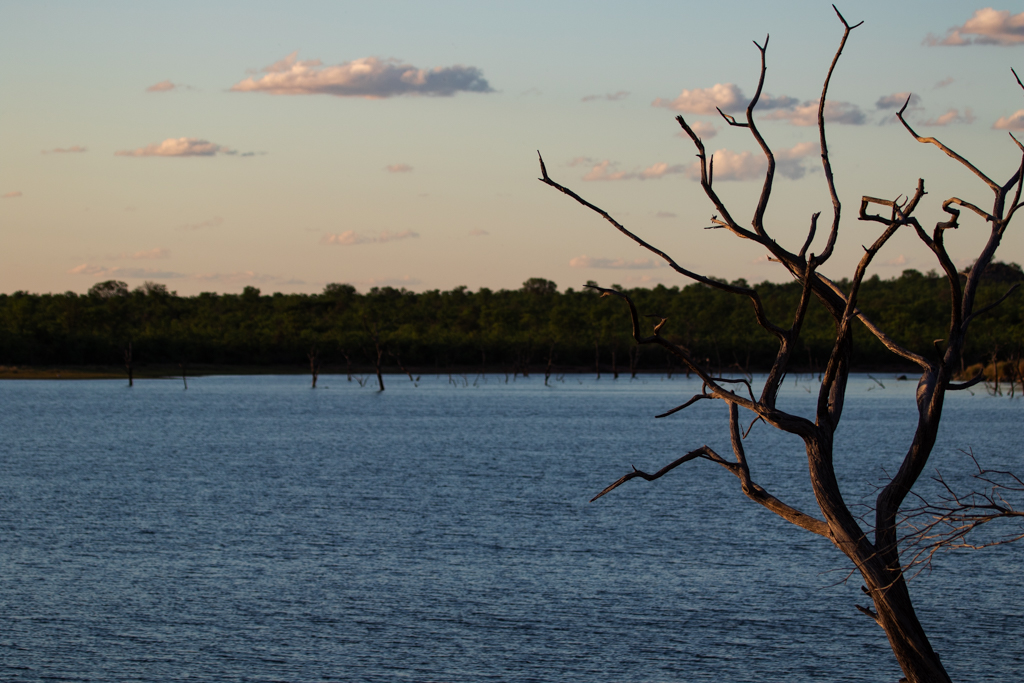
Our next stop was Balule, a satellite camp. It is a small camp perched up on the side of a valley looking down on the Olifants river. It is a spectacularly beautiful camp with a stunning view of the river below. After the night at Sable hide we needed some rest and so our first day was a rather slow one. We did have a close call while entering a hide when Caity dropped her phone and as I picked it up I spied a puffadder right below the slatted walkway. Needless to say, we abandoned that hide and returned to the vehicle at a brisk trot. We spent a wonderful evening eating with the river below us as the light slowly faded.
The following day saw us embark on one of the real highlights of the trip. A guided walk along the Olifants river. We met up at the camp early and set off with two guides and perhaps four other guests, two of which were the most enthusiastic American birders. The bush is so different on foot and even though sightings are fewer, it is such a special way to engage with the environment. We deciphered spoor, found some rubbings posts, and even observed a site where an elephant had died in the previous year. We encountered many hippos along the river, an unnerving sighting on foot as they account for the most deaths of any African mammal. The two rifles wielded more as walking sticks than weapons gave us some comfort however. Our guides were experienced and insightful and the knowledge they imparted was so interesting.
The next day the weather turned inclement, and we got the odd splash throughout the day. On the evening drive, however, the clouds piled high and grew dark before exploding into a thunderous downpour. We arrived back to the unfortunate task of putting up a rooftop tent in the howling rain. A false start here meant I had to reposition the vehicle before finishing the job. At this stage I learned that the Land Cruiser had somehow been triggered into limp-home mode and being mechanically illiterate meant I had no idea what that meant or how to tackle the situation. A call home for some advice culminated in the sad realization that the next day would be spent driving to Phalaborwa at 10km/h.
The storm died out in the night and the next morning the sun shone brightly in the face of our arduous trek towards the nearest mechanic. We set off painfully slowly heading towards the gate. Making glacial progress we covered the distance to Letaba camp and had almost arrived when something miraculous happened. We met a dip in the road. That morning dips had been a trying task for the poor Toyota as the climb out slowed us to an intolerable two or three km/h. This time, however, we roared up the other side and with an outpouring of sheer joy I realized that the vehicle was back to full strength. Unwilling to sacrifice a day in the park I promptly canceled our trip to Phalaborwa with little thought about whether the problem might recur.
The next day we headed South for Satara camp. This is the point at which I feel the park becomes the place I’ve known my whole life. From Satara on I’ve known the roads for as long as I can remember. Each turn comes with a flood of memories and tales of sightings. It is also the point at which the landscape really shifts to wide open plains that stretch as far as the eye can see. It is a region famed for predator sightings and I have many such stories to back up these claims. A wonderful part of the world and over the next few days we would have some serious luck with game.
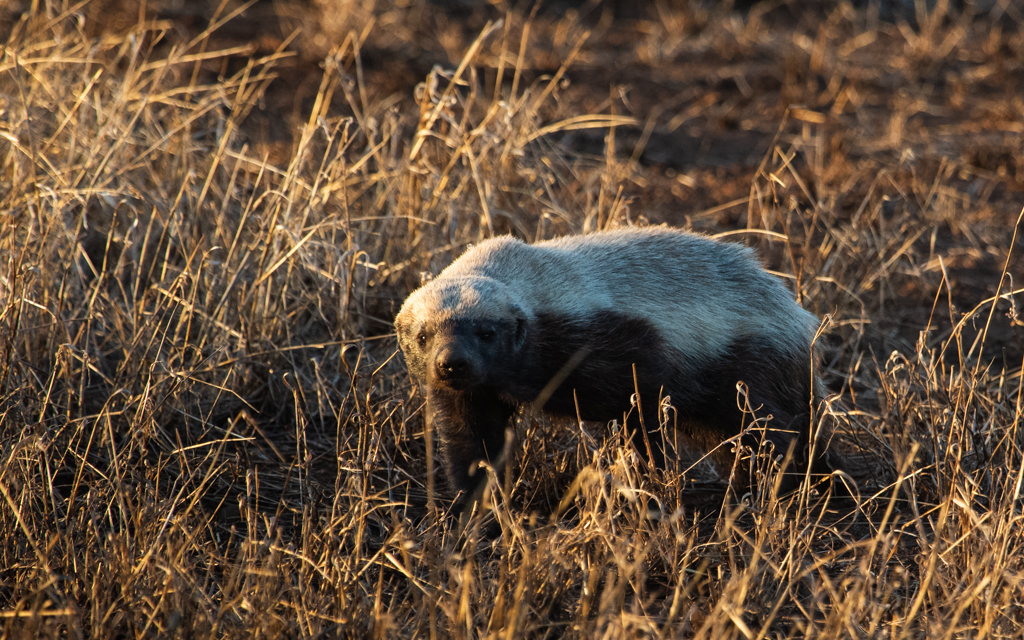
The first early morning drive we undertook we came upon a very unusual sight. A pair of honey badgers on a trail of destruction, breaking into anthills and kicking up a lot of dust in their wake. We watched them at work for almost 40 minutes before they trundled off into the distance and were lost from sight. We also came upon lions regularly including a mating pair close to camp and a large group of females in the road. The group of females was incredible as one female was vocalizing in the middle of the road, something I have seldom had the privilege of experiencing up close. Next, we headed from the South proper and pitched our tent at Lower Sabi.
Entering the busiest section of the park came as somewhat of a rude awakening after some time secluded in the North. It was also passing into December and so schools were starting to end the year, and many families were entering the park. Lower Sabi was busy as ever and we found ourselves packed quite tightly amongst our fellow campers. That being said, it is heartwarming to see a foreign presence in Kruger. The European contingent in head-to-toe freshly purchased khaki with matching hiking boots, is certainly entertaining but I also find that it is such a great reminder to appreciate this place that is ostensibly on my doorstep. The excitement I see in the tourists is humbling and hits home the message that this place is a world-class spectacle not to be taken for granted.
Our next stop was Skukuza, the real beating heart of the park. A camp and staff village with the population of a small town, it is the capital city of this reserve. The traffic in this area is a little overwhelming however and we found our sightings begin to feel a bit more like traffic jams than the marvels that they really are. Regardless we continued with a streak of luck with lions. The trip had provided the most remarkable sightings however our time was running short, and one cat had noticeably given us the slip, the cheetah. Scouring the plains between Lower Sabi and Crocodile Bridge had proved fruitless and the areas around Skukuza do not really provide the best habitat. We had a few days left however to try and catch some luck.
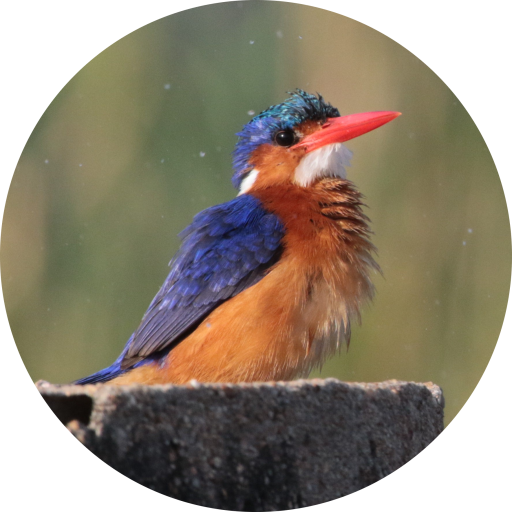
While camping at Skukuza we found ourselves parked next to the Biyamiti weir one morning. We had learned to appreciate birds a lot more on this trip and as we sat next to the water the bird life was teeming. Herons and egrets patrolled the banks while swallows performed aerobatics all under the gaze of a faraway fish eagle. A malachite kingfisher had caught my eye, and I was spending a lot of time lining up the camera for that perfect shot. Not in the slightest rush we sat with the birds shooting what action they produced. After perhaps 40 minutes a herd of buffaloes came down to drink. An epic sight as this family unit strolled down the bank towards the waters edge. Everything was moving slowly and there was not a care in the world for miles around. An explosion of movement broke the serenity of the scene as a pride of lions broke cover after the herd.

From perfectly relaxed and sluggish to shooting photos at a rate of hundreds per minute the action unfolded right before us. The hunt was incredible to witness. We had spent the entire morning in that very spot and not seen head nor tail of a lion, but they had been there. The attack was coordinated and explosive yet unsuccessful and the herd cleared the ridge with every member accounted for leaving the pride of lions to dejectedly regroup. In search of a better view of their new position we drove up the hill from the weir and came around a corner to be met with the sweetest scene. A lone lioness had sat out the hunt to watch over a number of cubs that were now frolicking right beside us. We watched them for some time before they vanished into the bush rejoining the rest. Truly, remarkable how sometimes sitting in one place with a little patience will yield such unexpected results.
Our final few nights were spent at Pretoriuskop. A quieter camp than Skukuza and Lower Sabi with a peaceful atmosphere and replete with birdlife. We went on a sunset drive which gave us another opportunity to experience the park after dark. While not particularly lucky, it was great to have a rip around in the cool of the early evening, sipping Old Brown Sherry from coffee mugs. During the day we saw Sable antelope which is always special, and general game was plentiful. The cheetah, however, still eluded us. It is worth noting that it is rather standard to complete a trip without seeing a cheetah. They are not at all common and many people I know who frequent the bush have seen them very seldom if at all. We firmly believed we would catch one however and these feelings were buoyed by the outrageous luck we’d been having.
The streak continued and we found another pack of wild dogs in the road prancing around in a slight drizzle on the road to camp. Eventually our final night arrived. As lucky as we’d been we still believed we could nab the last of the big cats on our way out. As we enjoyed a final dinner in the Pretoriuskop Wimpy, we decided that our best shot for a last day cheetah sighting would be to travel out the long way via Lower Sabi and heading back to Pretoria out of Crocodile Bridge. So next morning we set off at the crack of dawn and immediately encountered two huge male lions right next to the road. Bathed in the early light of dawn they cut such formidable figures into that early morning haze. Continuing along we enjoyed such great views of elephants, buffaloes, and rhinos amongst many more. The game was plentiful but our target was yet to appear.
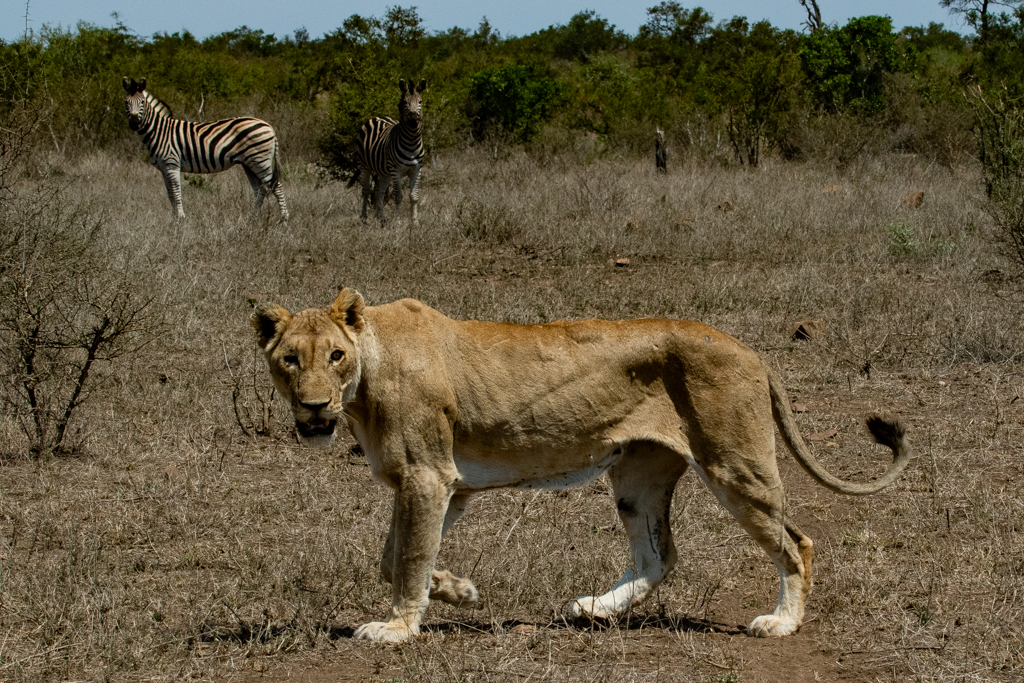
We passed Lower Sabi and were now set on the last stretch before the gate. The last short drive of the most epic trip was to be along the S28, a road well known for cheetah. We drove with our eyes glued to the surrounding bush hoping with every movement to spot the prize. We pulled down the access road to Ntandanyathi Hide and passed some zebra along the way. After a quick look out at the hide we got back into the truck and set off on the final stretch. Not 200 meters from the hide amongst a herd of zebras a big cat stepped out of the bush. It was followed shortly thereafter by another and then another. Our hearts raced at the first glimpse, lions. Never ungrateful for such a scene we soaked up what proved to be the last significant sight of the trip. Shortly thereafter we were out on the highway back to Gauteng. We did not manage to see any cheetah but left satisfied with memories that will last a lifetime.
With the park in the rearview mirror, we roared off home. About hallway it began to rain heavily. As we drew near to Milly’s the vehicle suddenly lost all power. Limp-home mode again. Cursing my earlier idiocy in not checking out the issue we trickled toward home at 10km/h as the rain beat down on us. With every vehicle known to man having overtaken us the weather cleared and suddenly the engine roared back to full power. Great! There was no problem after all.
Words and Photos by Grant O’Beirne
 There and Back Again
Leave a comment